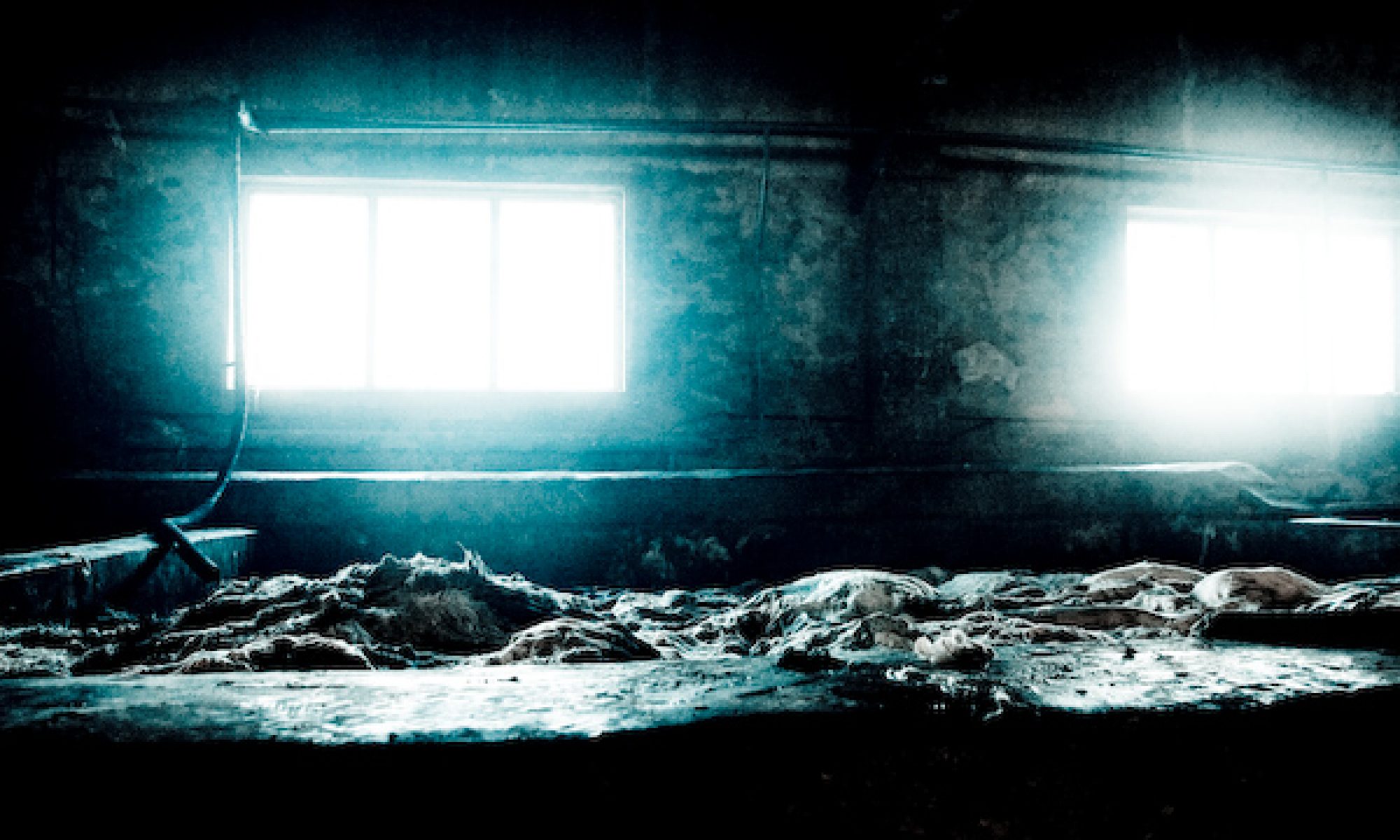
Squinting your eyes (with a knowing smile) makes metal sound better. Or rather, it makes the experience more enjoyable. For me. This makes sense… Given the law of sensory deprivation (if there isn’t one, there should be): when you see less, you hear more/better. That’s why all those blind people can hear EVERYTHING. Seriously. Anyways, as a result, this allows the beautiful ”flowing metal“ (in the words of some European guy who made a poster for my radio show) to more completely infiltrate your system. Which is Good and Awesome. The smile may be replaced with a frown, but only if it’s really grim, and slightly tongue-in-cheek.
In-Class Exercises: Found Objects and Marco Polo
5 minute short, “Boxes”
Constraints
- Navy block letters, lined in white a la found object (a scarf for FC Bayern München)
- From found writing: Reading the great works, Knows someone from Boston
- Something related to the game MASH et al.
- “Marco devoted his prison time to composing his book.”
- Object: A paper ‘fortune teller’
The title may, or may not, have been printed in navy blue block letters, lined in white. Marco Polo never played MASH in gradeschool, perhaps explaining the unnatural wanderlust that sent him to the East. When he was released, assume he must have committed the work to writing, while the composition was still fresh. The manuscript was delivered to the publisher in wooden boxes, 4 in total.
Closer narrative distance
I once read that, “Marco [Polo] devoted his prison time to composing his book.” I wonder if prison time is what I need to empty the boxes of stories locked in mental purgatory. Sometimes they flit through my mind’s eye, like a striker from F.C. Bayern München. I figure Marco Polo probably read the great works; did they help him relate? What were the hot books in 13th century Europe?
Written on an actual box (white, cardboard) in Purple scented marker (smells like artificial grape)
Inside of box bottom
So. You found it. What were in the boxes that Marco Polo brought on his quest to the East? What does a 13th century traveler need to make a trip comfortable? Did he bring his favorite scarf? The one he got at the FC Bayern München match?
Inside of box top
Perhaps he presented it to the Great Khaan as a gift after he was invited in for milky tea and bortsog. The nomads must’ve laughed with pity at his poor porters, whose backs were breaking under the weight of all his material goods, stuffed into boxes. “You should learn from us!” They’d say, “Why have so many things?”
Outside of box top, orange crayon (glossy surface)
That would be no chance; to self-reflect or reject.
Which did he choose?
Did he have a fortune-teller by his side, reading the wishes of the fates?
10 Images
Deference:
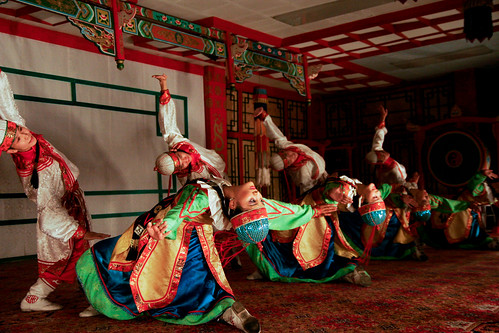
Future:
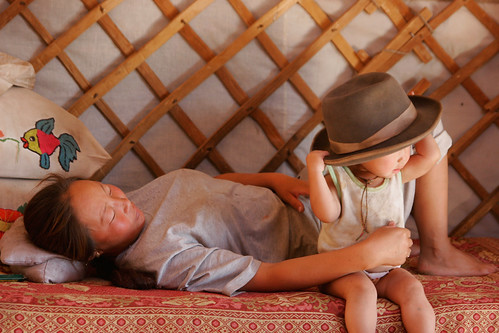
Individuality:

Complication:
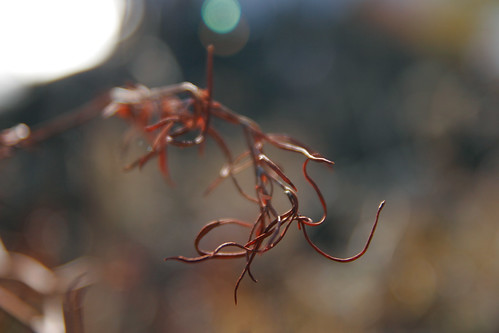
Fragility:
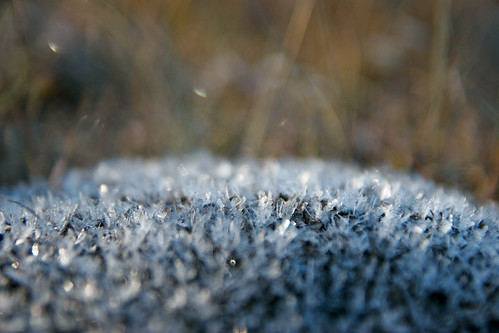
Serenity:
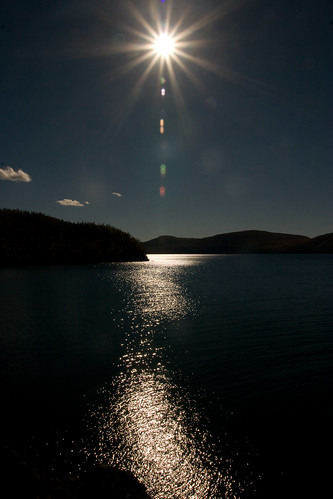
Secure:
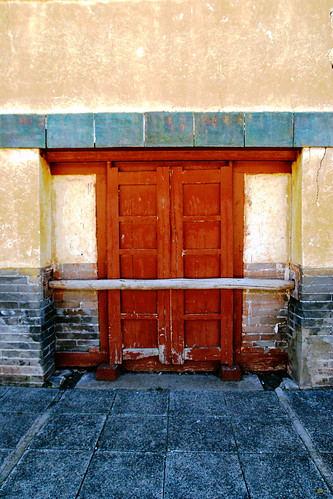
Surreal:
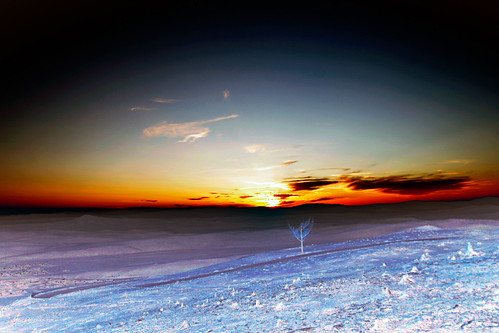
Forboding:
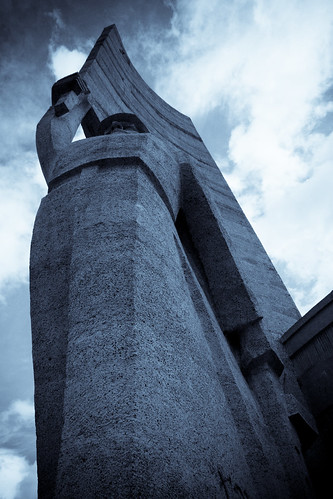
Commiseration:
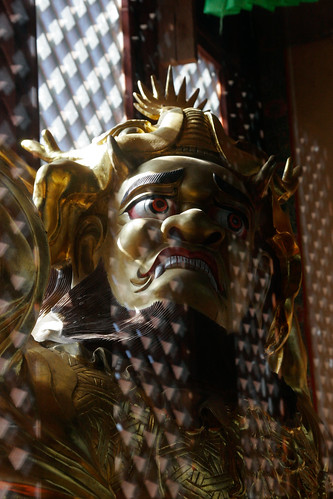
Puzzlement:
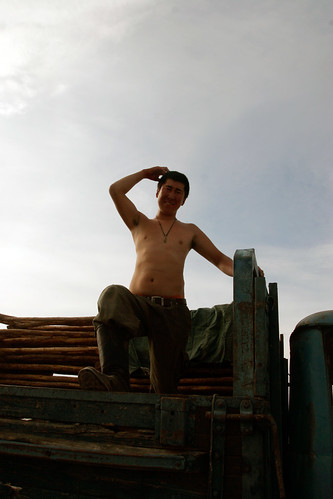
Delgerhaan
I gingerly held on to my seat as we bounced through marmot holes and over patches of grass, feet perched solidly on the footrests of my host father’s motorcycle as we sped through the night. The cool air soothed my skin, each molecule a reminder of the authenticity of the moment, and my very mortality. The motorcycle’s lone headlight danced its way across the steppe; I leaned back, resting my hands on my knees, and gazed up at the endless starry dark. My stomach full of боодог (boodog, Mongolian roasted goat), ÑүүтÑй цай (suutei tsai, milky tea), айраг (airag, fermented mare’s milk) and архи (arhi, vodka), I smiled at the uniqueness and beauty of this experience, and drank in the Mongolian night.
[From Delgerhaan Homestay]
Reflections on Mongolia
####PART I. __TURBULENCE__
With perestroika and the decline of Soviet power in the late 1980’s, Mongolia entered the first period of its post-communist development. This romantic period was a time of hope; Mongolia was to become the next Asian Tiger. Yet with the dissolution of the Soviet Union, and the halting of related aid money, newly democratic Mongolia was faced with an economic crisis of epic proportions. The fruits of democracy were enjoyed as well; newspapers sprang up, their variety reflecting the budding of Mongolia’s new multi-party democracy. Churches tripped over each other to send missionaries to cultivate her fertile sands, and Buddhism re-entered the public sphere. However, the lack of visible progress led many Mongolians’ to enter into state of now-familiar disillusionment.
Elections brought the young Democrats into power, who hastily implemented an intensely neo-liberal plan to shock the Mongolian economy into complete liberalization. Despite optimistic forecasts from policymakers, the life of the average Mongolian took a serious turn for the worse. Problems that had been forgotten during the times of Stalinist ‘utopia’ ravaged the country. Unemployment, massive inflation (as much as 350%), shortages of essential goods, and an almost complete collapse of the Mongolian economy were among them.[^m1] Social ills soon followed, with Mongolian males and their fragile egos faring worse that the women; alcoholism and violence, especially, spread amongst the growing population of unemployed young men.[^m2] Such chaos swept the MPRP back into power, beginning another dark era of de-democratization, though with some economic recovery.
####PART II. AWAKENING THE TIGER
Big Brother is watching, don’t say the
Wrong thing, look the Wrong way.
Traditional systems dis-
Integrate. Morals, ethics, freedoms and structures of life on the steppe.[^m3]