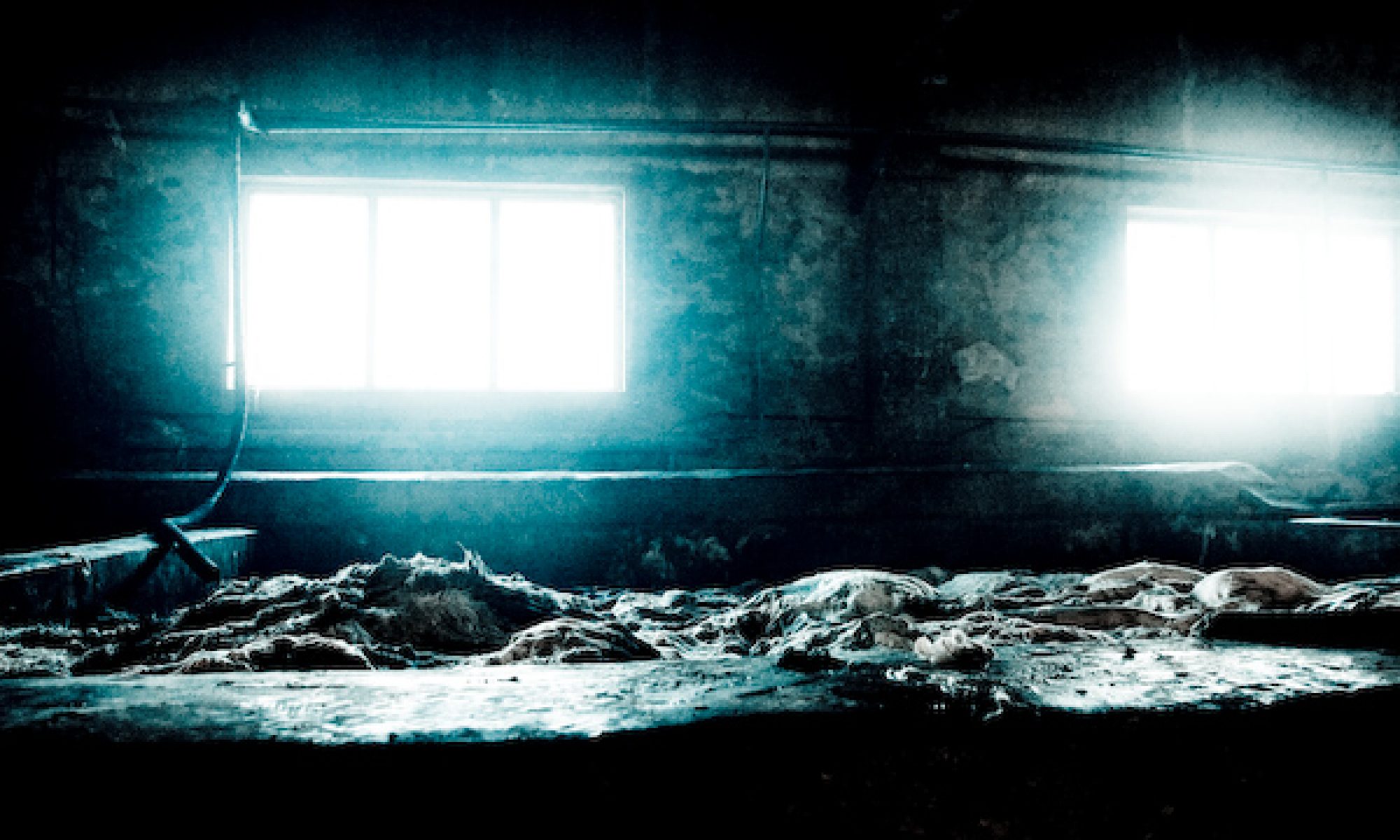
- Walking on Clouds by Gilad Benari
- In Absentia by ilSilenzio
- Little Fish by SeaFairy
- Shadows of Dismember by Caroline Traitler
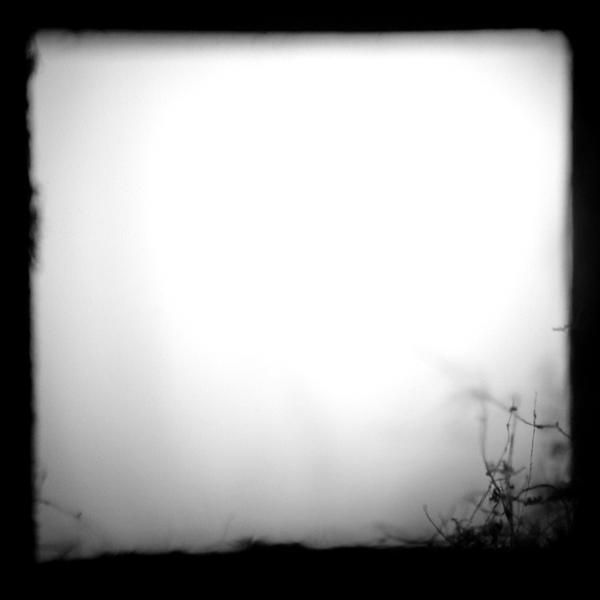
- enjoy the silence 2 by Troyek
- Source of Life 2 by brunojsn [note: contains nudity]
- CBL Study XXXV by Pedro Inacio
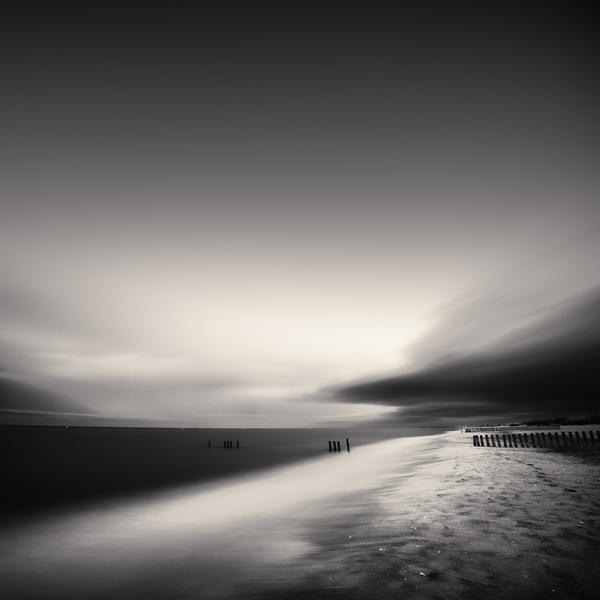
- Mediterranean Dusk by Denis Olivier
- Stormy Clouds by Steven Jodistiro
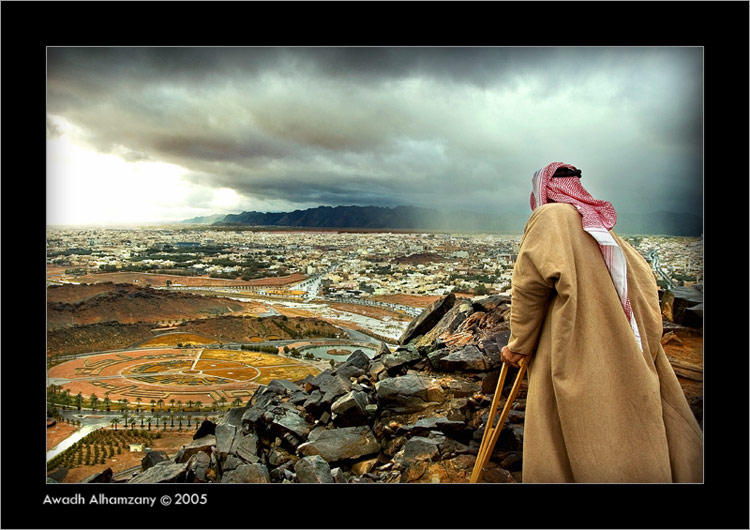
- My City by Awadh Alhamzany






William Faulkner on Art & The Impossible
The aim of every artist is to arrest motion, which is life, by artificial means and hold it fixed so that a hundred years later, when a stranger looks at it, it moves again since it is life. Since man is mortal, the only immortality possible for him is to leave something behind him that is immortal since it will always move. This is the artist’s way of scribbling “Kilroy was here” on the wall of the final and irrevocable oblivion through which he must someday pass.
Digital Story Brainstorm: Mongolia, A Land of Contradictions
Mongolia. A land whose name is more powerful than her government. The nation that brought us the great Chinggis Khaan, Man of the Millenium, and his as yet unsurpassed empire. Yet today she must sell herself to the west, desperate for third neighbors who care more about her politics than her coal and gold. One of the original lands of Buddhism, the creators of the Dalai Llama, yet increasingly filled with sparkling Mormon churches and ecstatic evangelists.
Yet the sky continues to truly rule this land.
FDf;lkdjsfl; GAHH.
10 Sentences I Wish I’d Written
-
Do thy worst old Time;
despite thy wrong, my love shall in my verse ever live young(from Sonnet 19 by William Shakespeare)
-
Listen: imagination is all we have as defense against capture and its inevitable changes.
(Alexie, ‘Captivity’, D’Agata p297).
-
In the mind, words are heard bone-dry without the benefit of breath.
(Field, Thalia. “A [therefore] I”, D’Agata 420)
-
Curiously enough, the only thing that went through the mind of the bowl of petunias as it fell was Oh no, not again. Many people have speculated that if we knew exactly why the bowl of petunias had thought that we would know a lot more about the nature of the universe than we do now.
(from The Hitchhiker’s Guide to the Universe by Douglas Adams)
-
The Dean at left, a lean yellowish man whose fixed smile nevertheless has the impermanent quality of something stamped into uncooperative material, is a personality-type I’ve come lately to appreciate, the type who delays need of any response from me by relating my side of the story for me, to me.
(from Infinite Jest by David Foster Wallace)
-
(from Brave New World by Aldous Huxley)
-
(from 1984 by George Orwell, p32)
-
I could just remember how my father used to say that the reason for living was to get ready to stay dead a long time.
(Addie Bundren from As I Lay Dying by William Faulkner)
-
(from Light in August by William Faulkner)
-




100 Words: Furniture & Maps
Sunday [Furniture]: 4500 BC: The first piece of furniture appears in in the Malaysian river delta silt deposit area. We know this with a high degree of certainty, since the area’s silt is quite effective at preserving ancient artifacts. Especially fine upholstery. Yes, the first piece of furniture also bore the first example of fine upholstery. This exquisite upholstery was not surpassed for over 5000 years, when a 19th century seamstress created what her husband thought to be a fairly bland sofa slip-cover. Little did he know, it was the finest specimen of its kind to exist in over 5500 years.
Saturday [Maps]: I love maps. There is something about them that captivates me, causing me to plaster my walls with them. When you walk into my room, you are assaulted by an array of maps. Directly ahead is a 15th (I think?) century map of the world, in all its hand-drawn, distorted glory. On the left, an enormous map of Mongolia with land-use contours that stretch from cool greens and blues to the flaming reds and oranges of the Gobi. To gaze upon a map is to see into its world; whether it be 15th century Europe, or 21st century Mongolia.